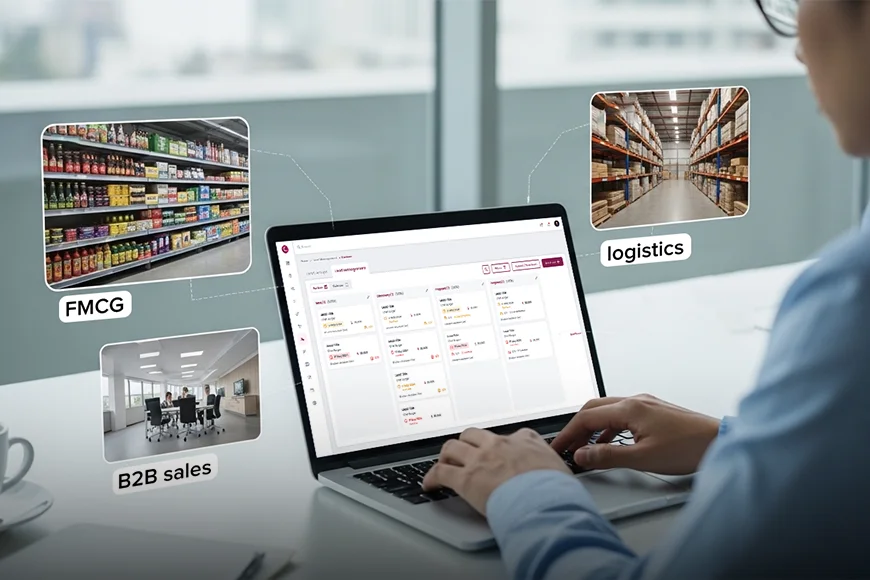

Picture this: A retailer places an urgent order, but the distributor is slow to respond. By the time stock arrives, the shelves are empty, competitors have swooped in, and sales are lost. Scenarios like this are all too common when businesses rely on manual or fragmented systems.
The solution? A Retail Distribution Management System, a centralized digital backbone that streamlines operations, keeps the retail supply chain strategy sharp, and helps teams win in a competitive marketplace.
What is a Retail Distribution Management System?
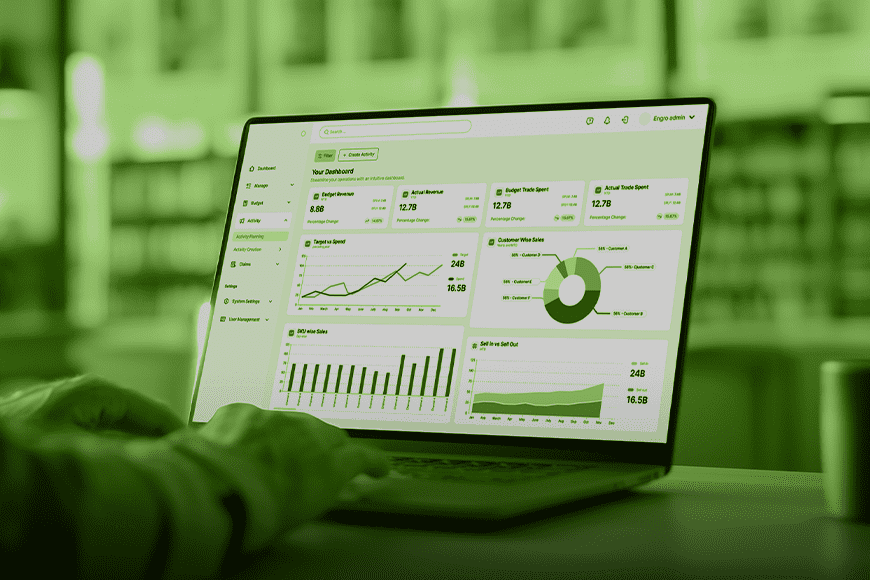
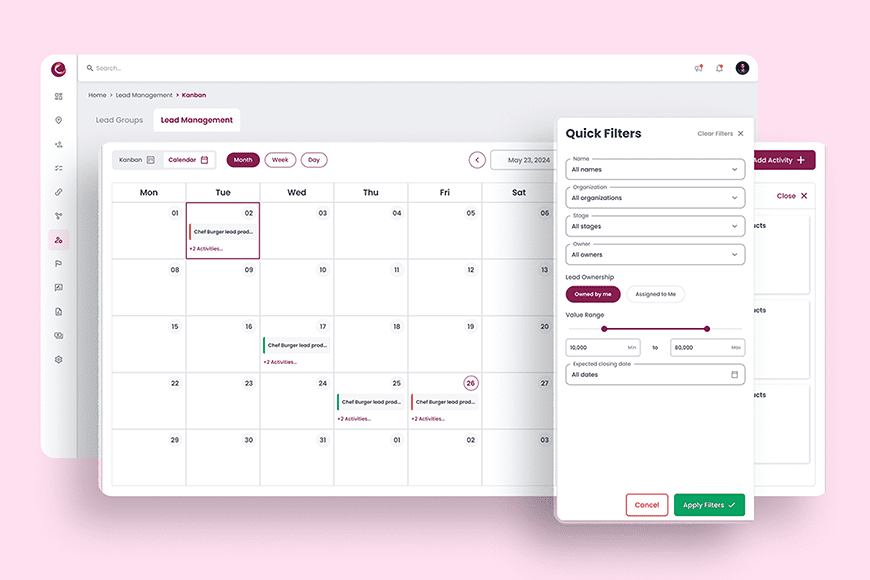
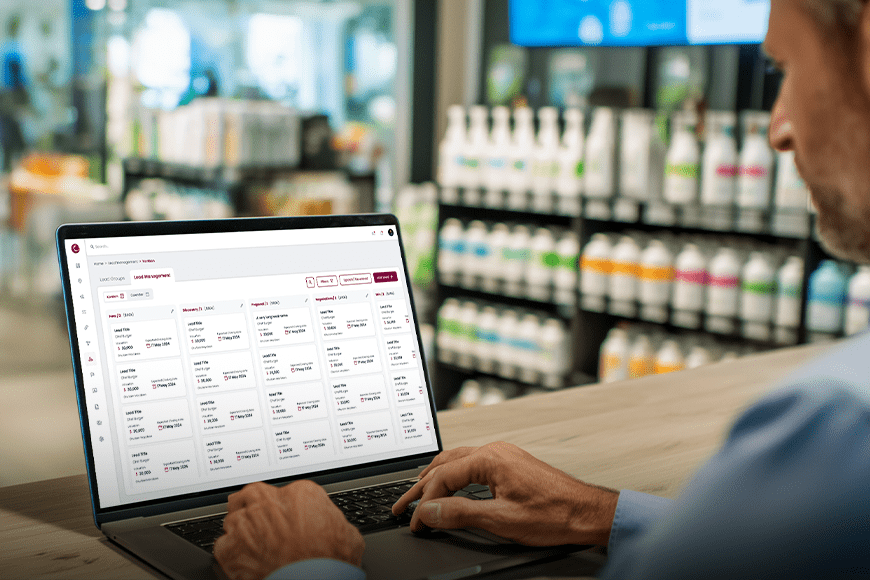
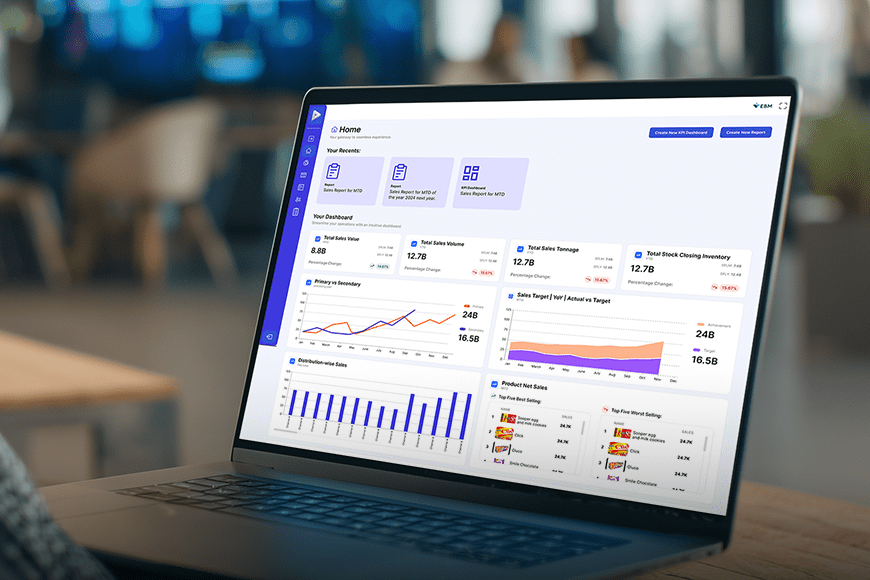
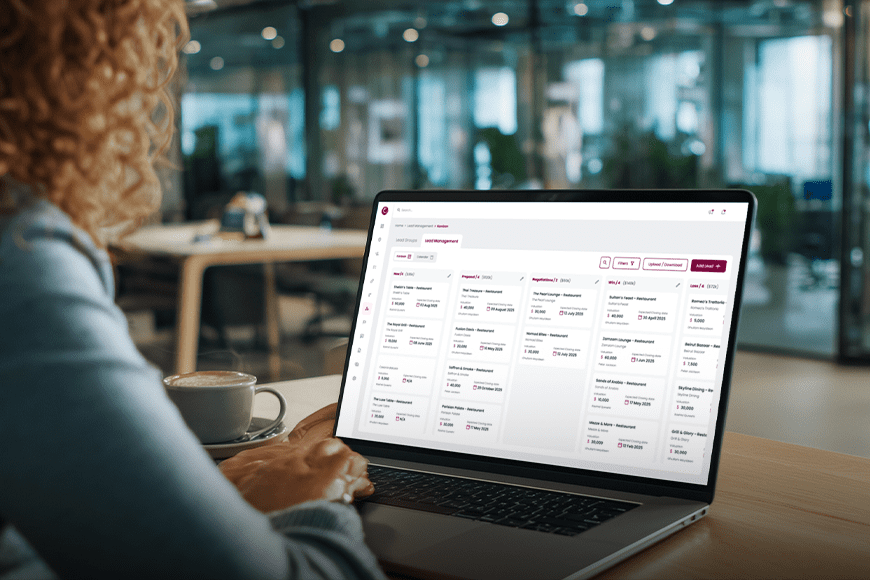
At its core, a Retail Distribution Management System is more than just software. It’s an intelligent engine that connects orders, distributors, inventory, financials, and analytics into one seamless ecosystem. Instead of juggling spreadsheets, manual reconciliations, and delayed reporting, businesses can rely on one connected system to manage their entire retail distribution strategy efficiently.
Think of it as the nerve center of your distribution network, keeping everything flowing smoothly from warehouse to retail shelf.
Why Smarter Distribution Matters Today
The FMCG and retail world has never been more dynamic. Customers expect instant availability, and competition is fiercer than ever. A weak retail supply chain strategy leads to stockouts, revenue leakage, and wasted opportunities.
That’s why forward-thinking businesses are embracing smarter retail distribution network optimization. By replacing outdated manual processes with digital systems, they can cut delays, reduce errors, and make data-driven decisions that directly boost sales.
Core Best Practices for Distribution Success
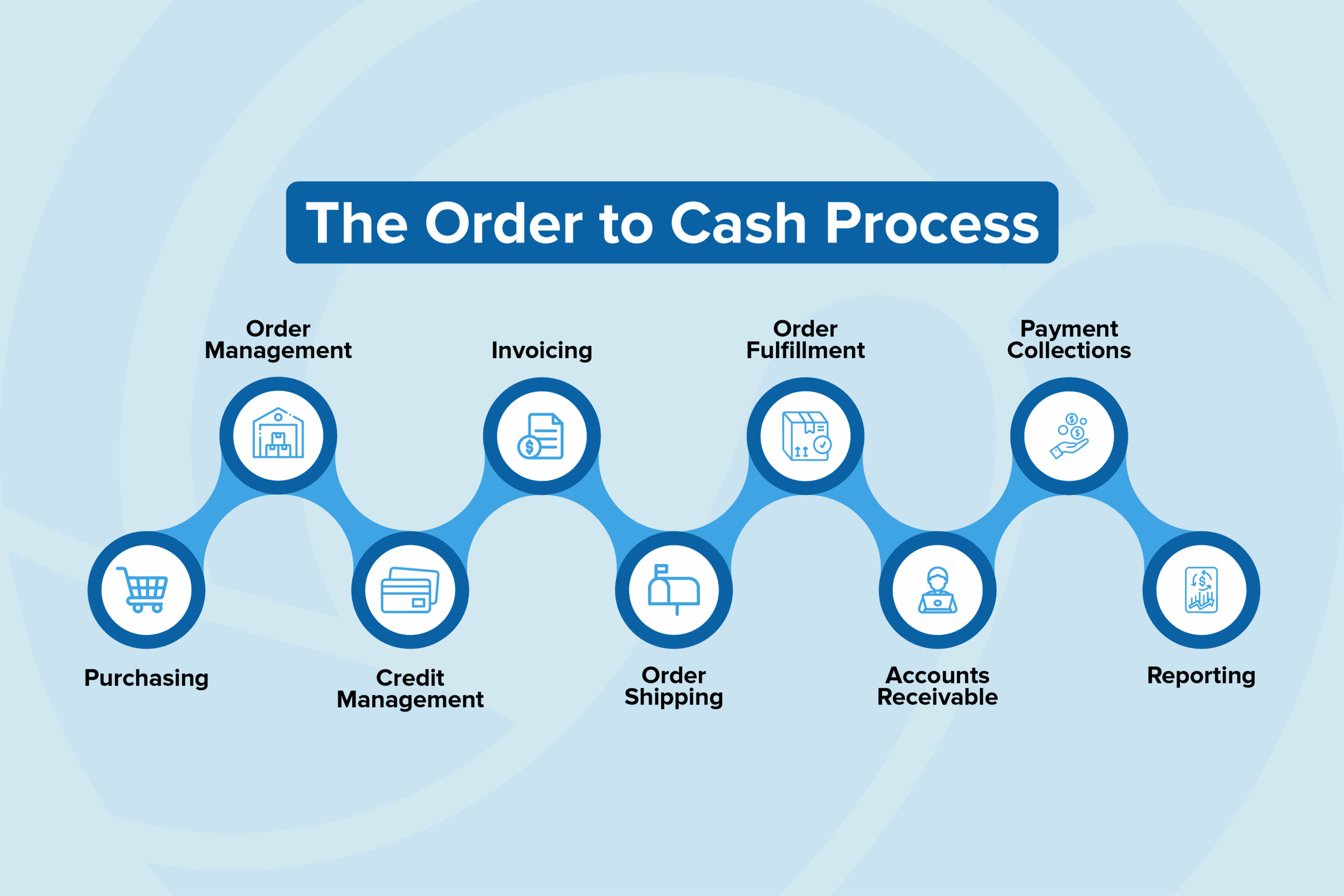
1. Automate Order-to-Cash
A smart system ensures every order flows seamlessly from booking to fulfillment to payment collection, eliminating manual bottlenecks.
2. Connect Primary & Secondary Sales
Visibility across distributors and retailers closes gaps, ensuring the entire retail distribution strategy is aligned.
3. Stay on Top of Inventory
Real-time stock updates prevent overstocking and shortages, giving businesses control over the retail distribution network.
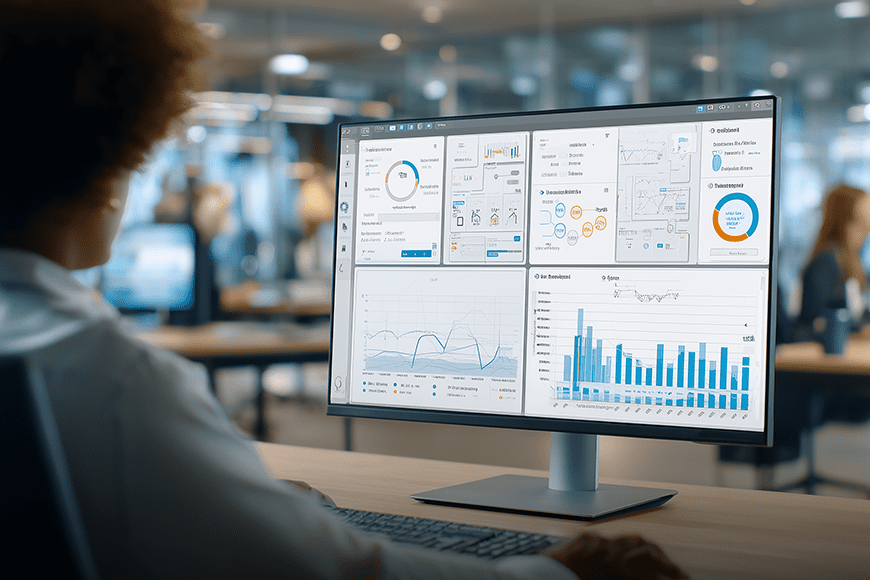
4. Let Data Lead Decisions
A retail distribution management system provides valuable insights for planning promotions, optimizing territories, and sharpening route-to-market execution.
5. Bring Financials Under One Roof
From invoices to claims to credit notes, having transparent and automated financial control strengthens trust across the supply chain.
The Salesflo Core Advantage
1. End-to-End Business Value Chain Automation
With Salesflo Core, the entire order-to-cash process is automated, boosting speed, accuracy, and profitability.
2. Inventory & Asset Intelligence
Real-time stock and asset tracking ensures the right product is always available at the right time.
3. Fully Integrated Distribution Ecosystem
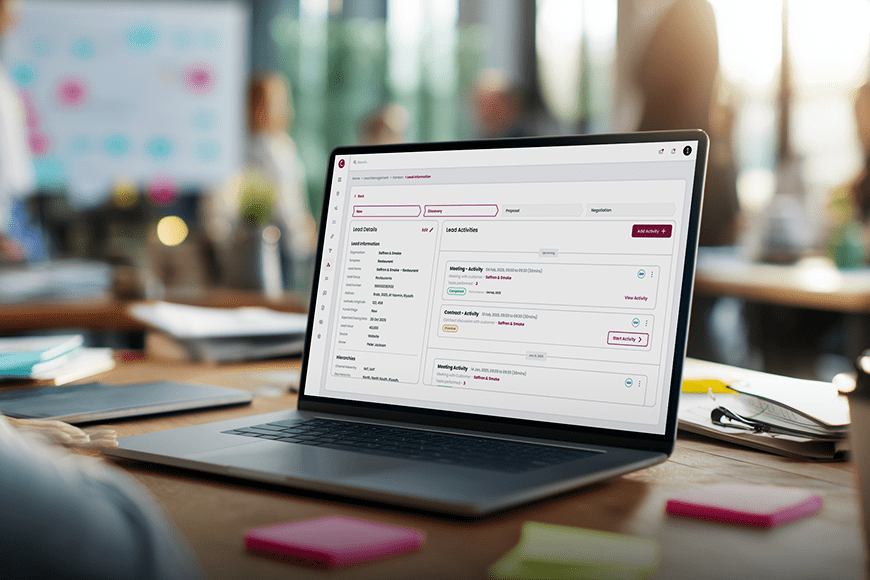
Salesflo Core connects ERP, sales teams, B2B platforms, and e-commerce into a single retail distribution management system, ensuring no gaps in execution.
4. Smarter Store-Level Execution
Geo-tagging, store heat maps, and territory mapping make execution sharper and more reliable.
5. Financial Control & Claims Automation
Claims, credits, and invoices are handled with transparency, strengthening distributor relationships.
6. Flexible Pricing & Promotion Engines
Salesflo Core supports multiple pricing models and promotions, making it easier to adapt your retail supply chain strategy to changing market conditions.
Conclusion:
In today’s fast-paced FMCG and retail environment, smarter sales demand smarter systems. A strong retail distribution management system doesn’t just keep operations smooth, it drives long-term growth by empowering businesses with agility, visibility, and control.