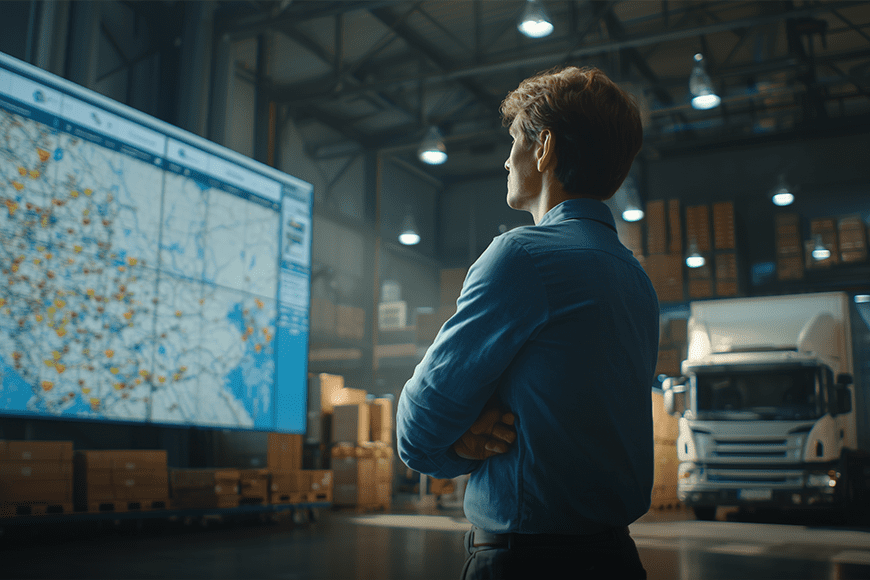
In the fast-moving consumer goods (FMCG) industry, the ability to deliver the right product to the right outlet at the right time determines whether a brand thrives or falls behind. This is where the Route to Market in FMCG (RTM) becomes critical. An efficient RTM ensures wide product availability, reduces operational inefficiencies, and creates a stronger connection between brands, retailers, and consumers. With digital solutions reshaping how companies operate, FMCG brands must rethink their distribution strategies for long-term success.
What is Route to Market in FMCG?
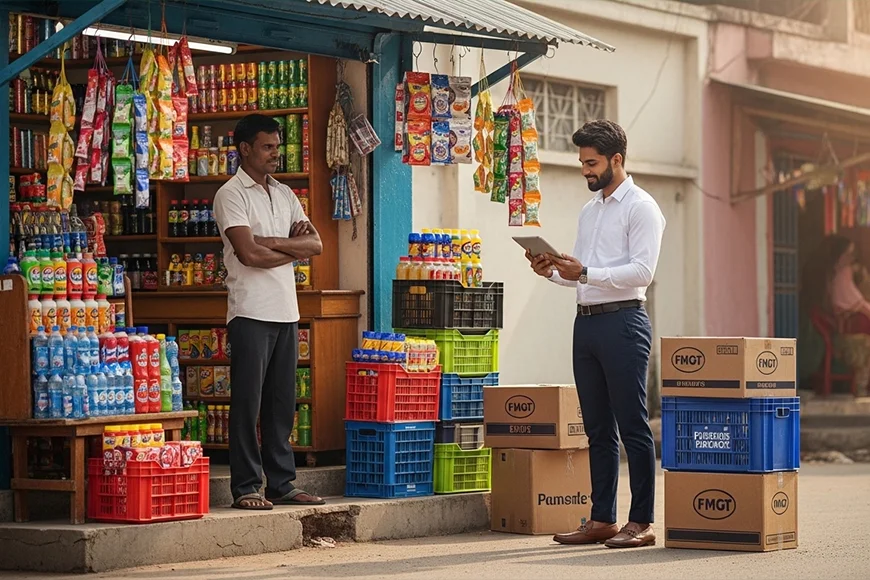
At its core, the Route to Market in FMCG is the path products take from manufacturers to the end consumer. It’s more than just logistics, it’s about defining how effectively a company can reach its target outlets.
A strong FMCG route to market strategy ensures that products are always visible, available, and competitively placed across retail channels. However, challenges such as inaccurate outlet data, overlapping assignments, stockouts, and poor visibility often disrupt distribution efficiency. This is why companies increasingly focus on building robust, technology-driven RTM strategies.
Why Route to Market Defines Distribution Success
An effective Route to Market in FMCG directly impacts sales growth and market share. Here’s why it matters:
- Availability & Visibility: A well-executed RTM ensures that retailers are always stocked and consumers can easily access products.
- Efficiency: Optimized routes reduce wastage of time, fuel, and resources.
- Stronger Retailer Relationships: A seamless route to market execution in FMCG builds trust with retailers by ensuring reliability and faster fulfillment.
When done right, RTM becomes a powerful lever for competitive advantage.
Digital Transformation of RTM in FMCG
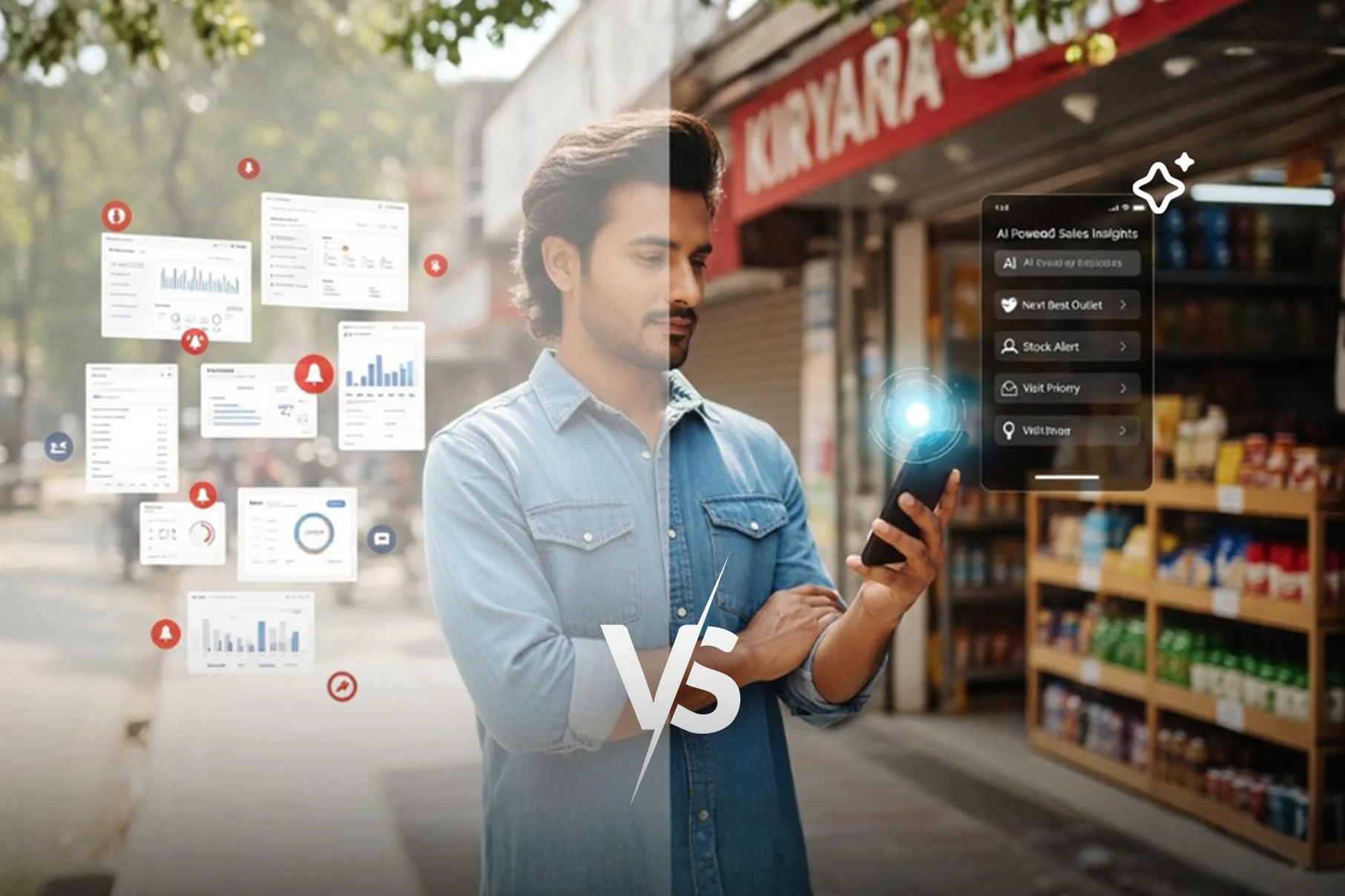
Traditional RTM models relying on manual planning and limited visibility no longer meet modern demands. The rise of digital route to market in FMCG has completely transformed the game.
Digitization brings:
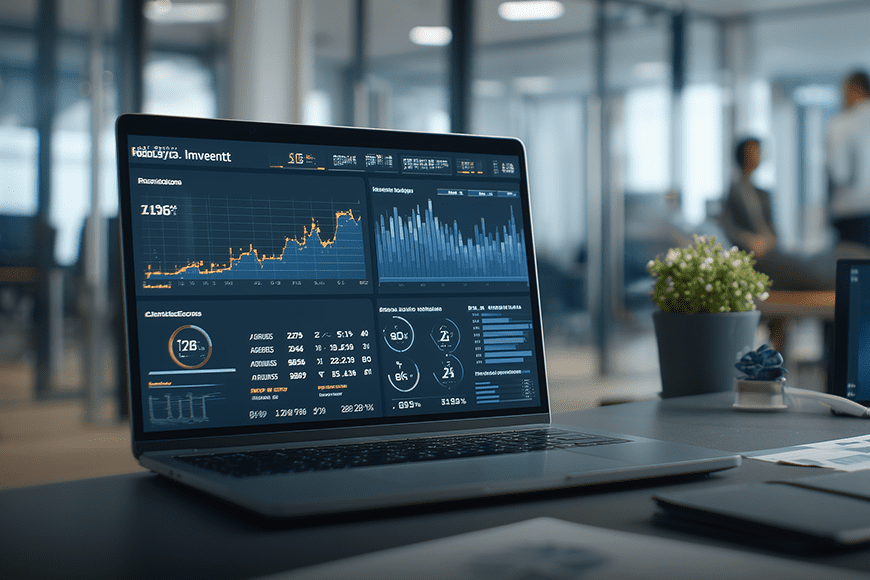
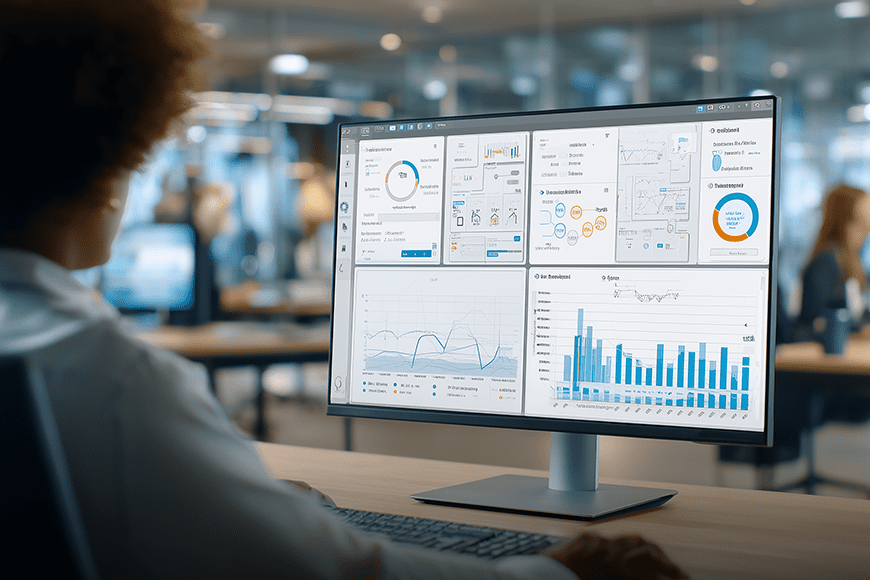
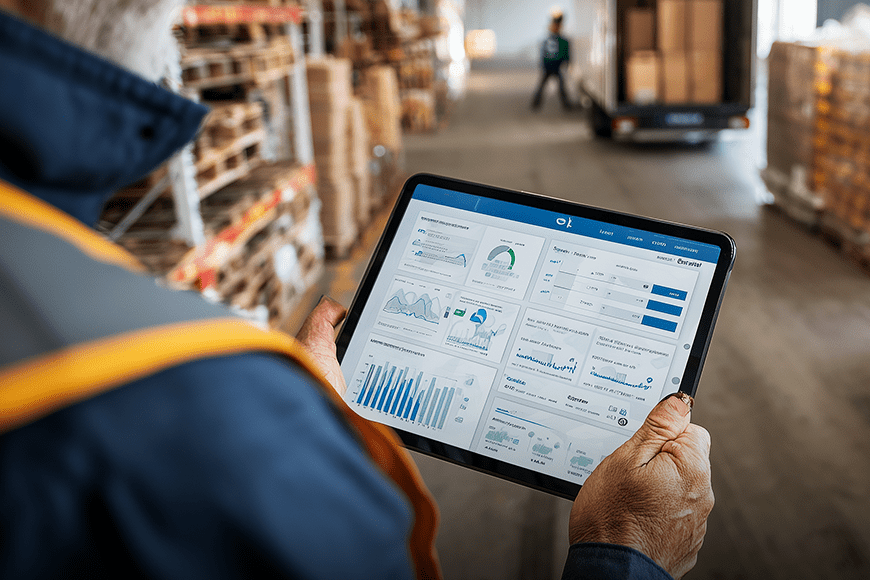
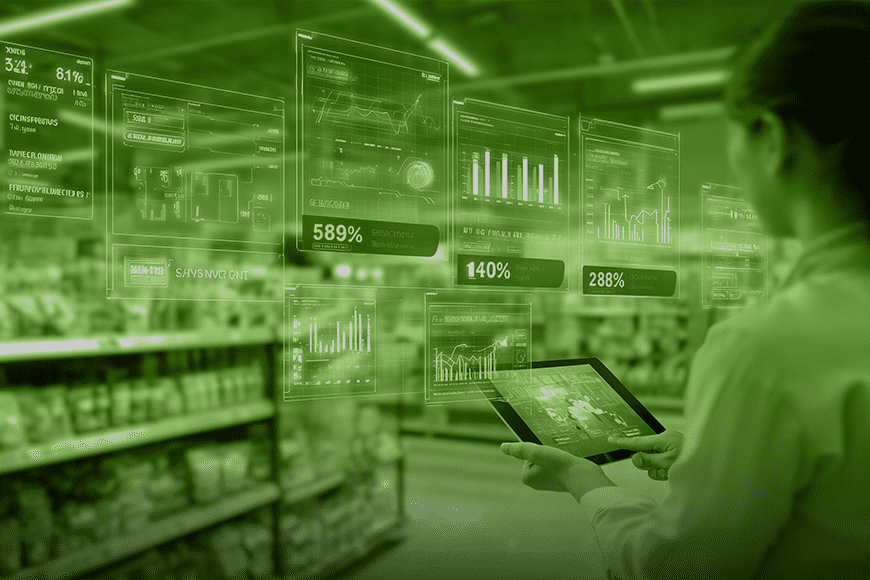
- Real-Time Visibility: Track every outlet, route, and order in real time.
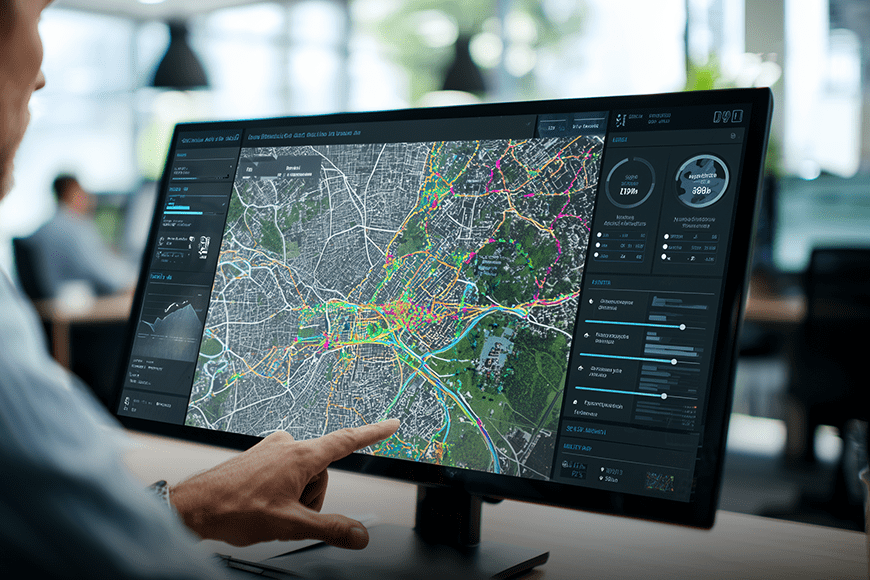
- Geo-Tagging: Identify and target high-potential outlets with accuracy.
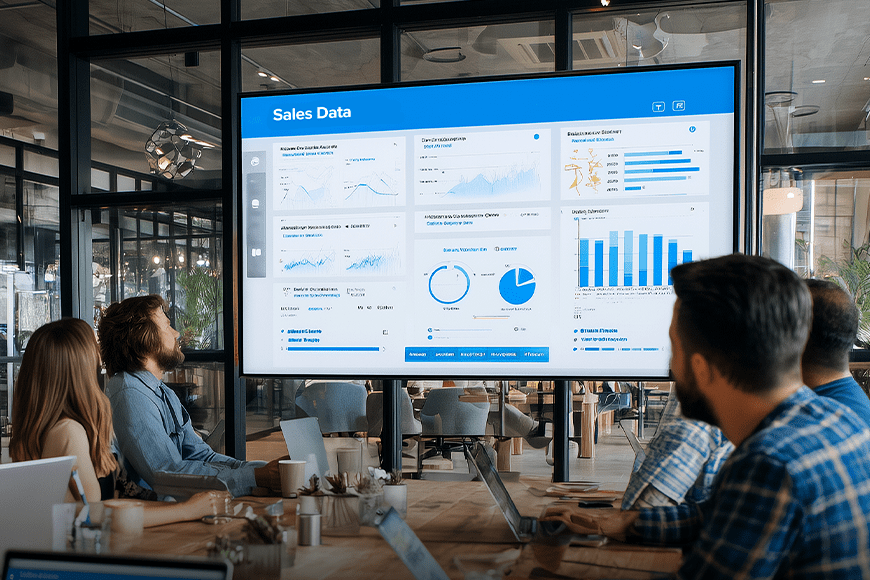
- Smarter Planning: Allocate resources and optimize field force with data-driven insights.
- Seamless Execution: Integrate sales, promotions, and inventory into one streamlined workflow.
This shift from reactive to proactive distribution management allows FMCG brands to capture opportunities before competitors do.
Salesflo Core’s Role in Driving RTM Excellence
- Visual Store Universe Mapping
1. Visual Store Universe Mapping
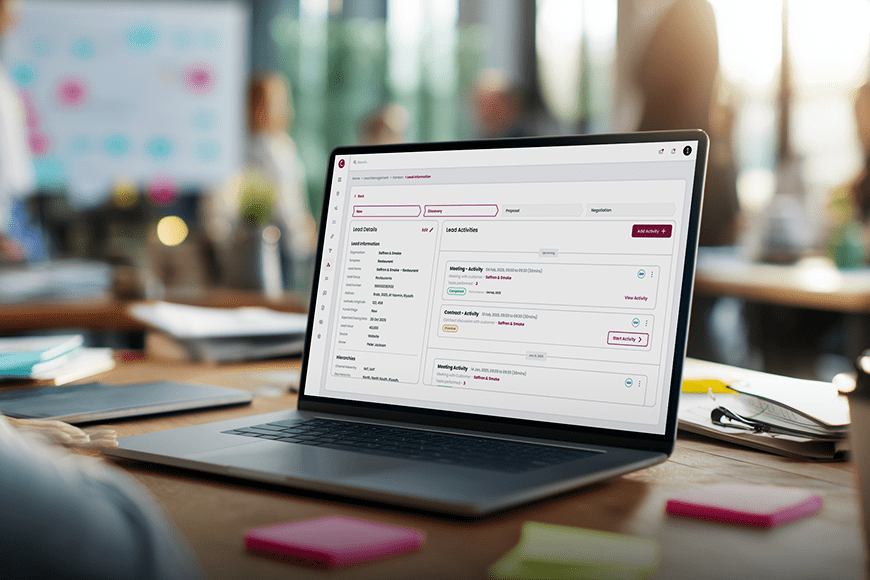
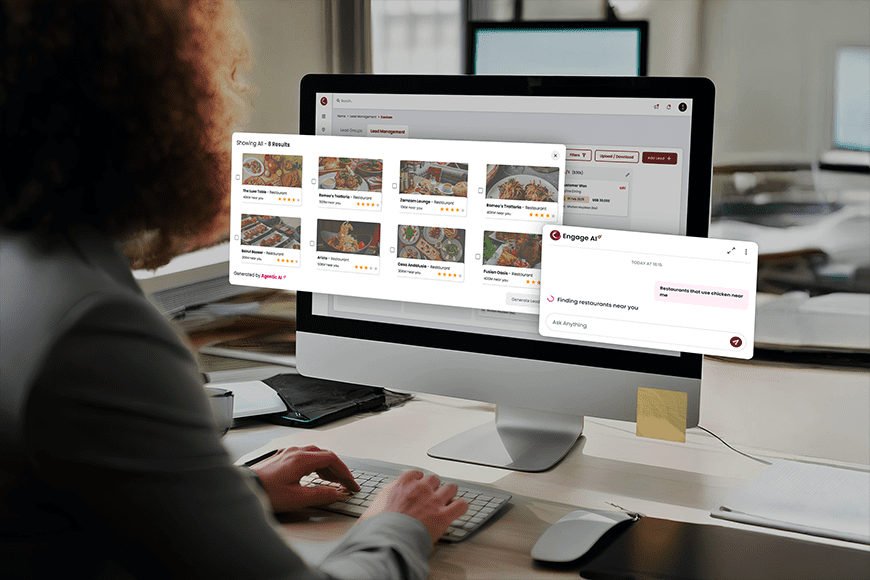
Salesflo Core enables FMCG companies to geo-tag outlets, create SKU-level heat maps, and identify low-density areas for expansion. This ensures distribution is always optimized for maximum reach.
- RTM Strategy & Planning Tools
2. RTM Strategy & Planning Tools
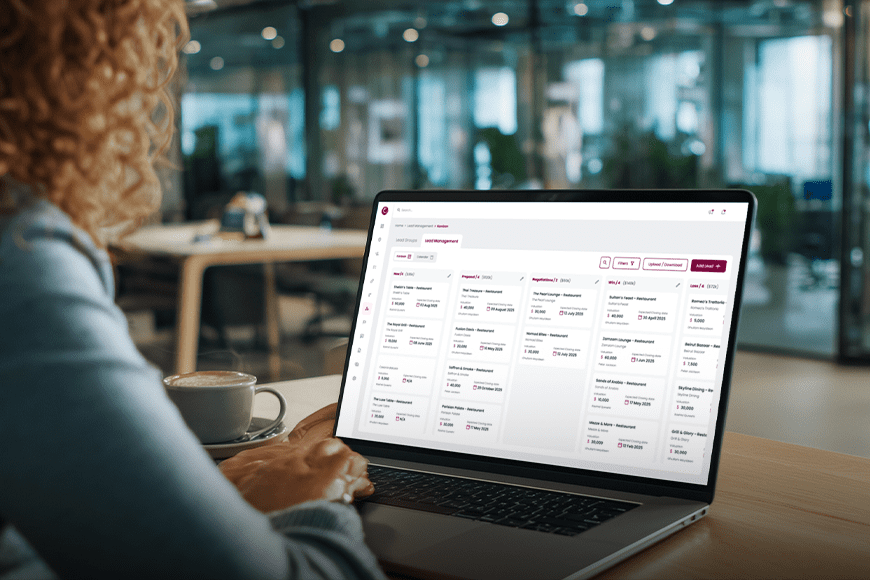
With its polygon-based territory management and channel-specific service plans, Salesflo Core eliminates overlaps and streamlines RTM planning.
- Seamless Field Force Management
3. Seamless Field Force Management
Salesflo Core’s RTM/PJP modules simplify outlet assignments and integrate with Google Maps, enabling smarter navigation and faster delivery.
- Integration Across the Value Chain
4. Integration Across the Value Chain
From inventory to promotions and financial modules, Salesflo Core connects the entire business ecosystem, ensuring RTM execution is efficient and data-driven.
Best Practices for FMCG Route to Market Success
- Align RTM strategy with on-ground sales execution.
- Leverage digital tools for smarter outlet targeting and resource allocation.
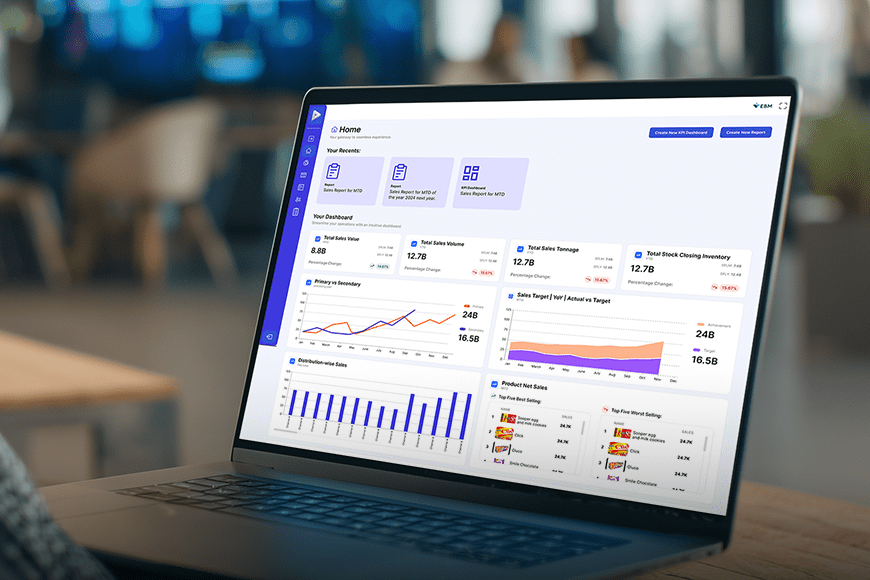
- Continuously monitor RTM efficiency with real-time data and analytics.
- Refine your FMCG route to market strategy regularly to adapt to market shifts.
Conclusion
The Route to Market in FMCG isn’t just about logistics, it’s the foundation of distribution success. Companies that embrace digital route to market in FMCG strategies can achieve higher visibility, efficiency, and growth compared to those relying on outdated methods.