Let’s be honest. Between back-to-back meetings, constant emails, and shifting priorities, staying on top of daily work can feel like a juggling act. That’s where task management steps in. It’s not just a productivity hack. It’s a structured way to bring order to the chaos, keep teams aligned, and get meaningful work done on time.
Whether you’re managing a retail operation, leading a sales force, or simply organizing your own workflow, understanding how to manage daily tasks effectively is a game-changer.
So, let’s break it all down: what task management is, why it matters, the best strategies to follow, and the tools that can support your journey.
What is Task Management?
Before anything else, let’s get the basics right.
Task management is the process of planning, organizing, assigning, and tracking tasks to achieve a specific goal efficiently. It helps break complex objectives into manageable activities and ensures that each piece of work is completed accurately and on time.
Understanding task management basics means knowing how to structure your workload, streamline priorities, and keep everything moving forward. It’s what turns daily chaos into organized progress.
Simply put: if your business goals are the destination, task management is the roadmap.
Why Task Management in Business Matters
Task management isn’t just a personal productivity tool. It’s fundamental to how modern businesses operate. Whether you’re in retail, sales, operations, or field services, it affects everything from team collaboration to performance delivery.
Here’s how task management in business drives real impact:
- Provides structure across distributed teams
- Improves collaboration and accountability
- Ensures visibility on execution in real-time
- Reduces missed deadlines and bottlenecks
- Supports scale by making processes repeatable
Especially in fast-moving industries like FMCG and CPG, effective task management means smoother operations and faster decision-making.
The Real Benefits of Task Management Software
Gone are the days when sticky notes and spreadsheets were enough. Today, businesses need smart tools to manage work efficiently and consistently. Here are the key benefits of task management software, broken down for better clarity:
- Keeps all tasks centralized and organized
No more digging through emails or chats, everything is tracked and updated in one place. - Offers visibility on progress and bottlenecks
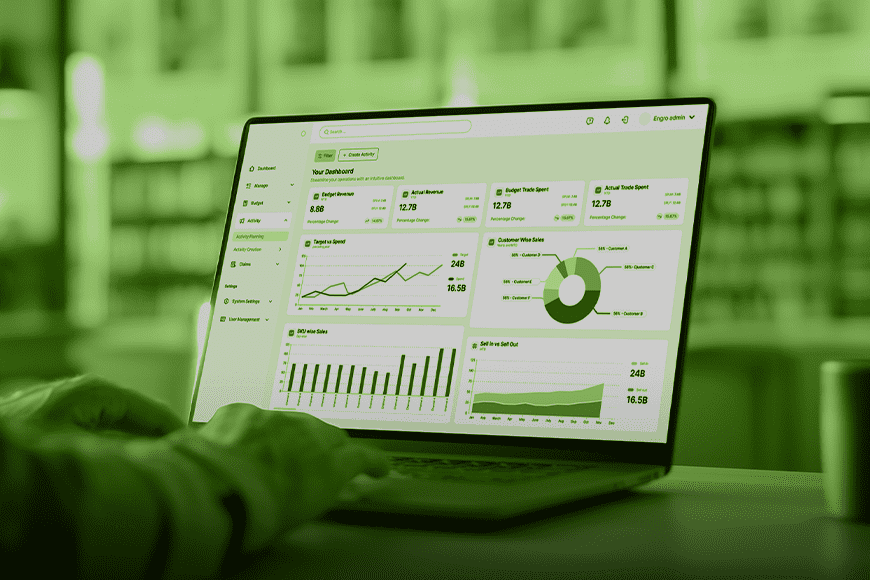
Dashboards and timelines highlight where work is on track and where it’s stuck. - Automates task assignment and reminders
Smart tools assign tasks and send automatic reminders, no need for manual follow-ups. - Improves productivity with real-time updates
Everyone stays in sync with instant task updates across teams and locations. - Helps managers balance workload across teams
Workload visibility allows fair task distribution and prevents burnout. - Enables seamless communication and reporting
All comments, files, and updates live in the task thread making audits and collaboration easier.
When used correctly, task management software doesn’t just track work, it transforms how work is done. It becomes the operational backbone of fast-paced, dynamic businesses like those in the FMCG and CPG space.
5-Step Task Management Process
A structured task management process is essential for organizations to streamline workflows, align teams, and ensure accountability. Here’s a corporate-focused framework you can apply across departments or large teams:
1. Define and Structure Tasks
Begin by clearly outlining business objectives and breaking them into actionable tasks. For example, instead of one broad “marketing campaign,” create structured tasks like content creation, ad setup, and performance reporting. This ensures alignment and prevents ambiguity.
2. Set Schedules and Priorities
Establish deadlines and prioritize based on business impact. Identify tasks that directly drive revenue or customer satisfaction and set them as urgent, while secondary tasks can be scheduled accordingly. This prevents bottlenecks and keeps teams focused on outcomes.
3. Assign Responsibilities and Ownership
Every task should have a dedicated owner. Assign responsibilities to employees based on expertise, ensuring the right resources are handling the right deliverables. Clear ownership eliminates duplication of effort and increases accountability.
4. Monitor and Track Progress
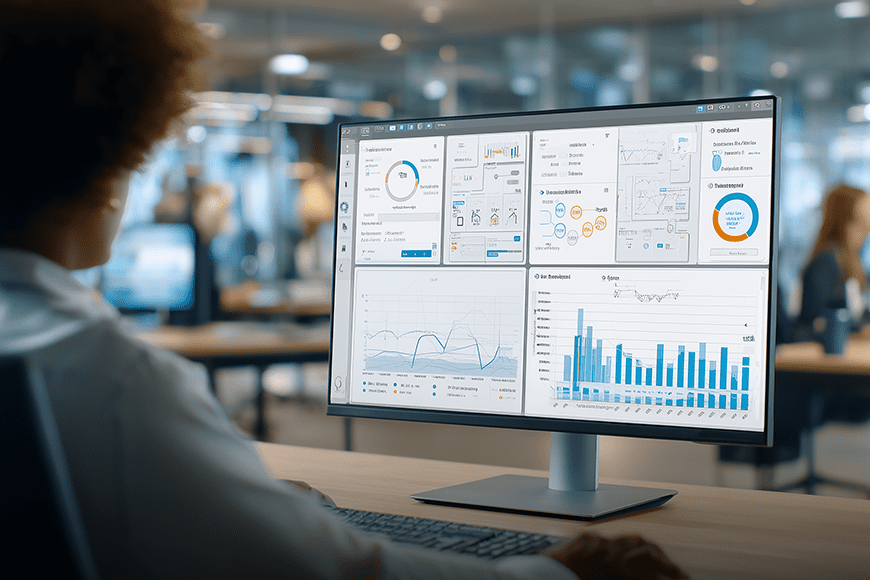
Use project dashboards, workflow tools, or task management software to monitor real-time progress. Regular tracking helps managers identify risks early, reallocate resources if needed, and keep projects on schedule.
5. Close, Review, and Optimize
Once tasks are completed, review performance against KPIs. Analyze what worked, identify bottlenecks, and document learnings for future projects. Continuous feedback and optimization turn task management into a driver of long-term efficiency and growth.
Best Practices for How to Manage Daily Tasks
If you want to master how to manage daily tasks effectively, here are some tried-and-tested task management methods and habits to build:
- Set clear, actionable goals for the day
- Prioritize using systems like Eisenhower Matrix
- Block time for focused work and review
- Avoid multitasking, stick to one task at a time
- Reflect on progress at the end of the day
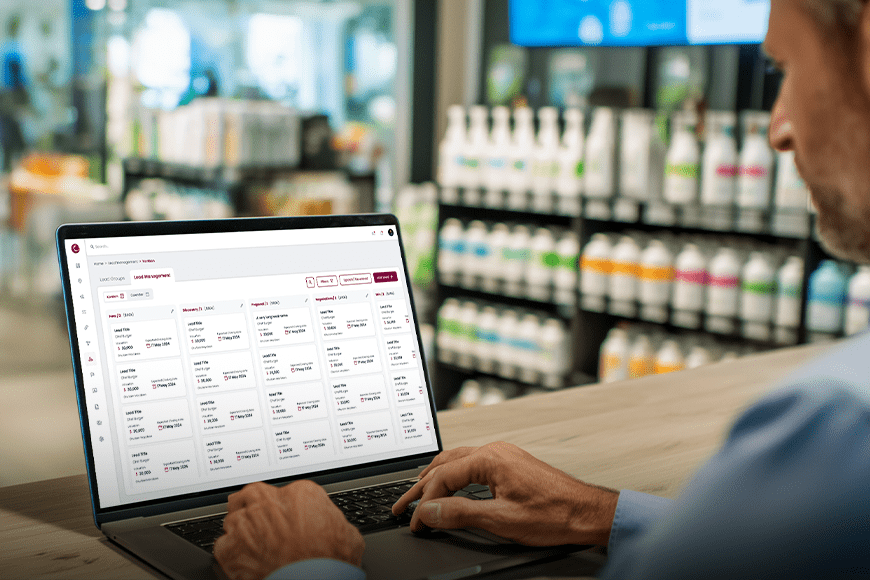
- Use visual boards or calendars to stay on track
These methods not only increase output but also bring calm to your workflow.
Online Task Management Tools That Work
In a digital-first world, relying on outdated tools is a recipe for missed deadlines and frustrated teams. The good news? There’s no shortage of online task management tools that can help streamline your workflow.
Some popular options include:
- Trello: A visual Kanban board for simple task tracking
- Asana: Robust task and project management for teams
- ClickUp: All-in-one platform with goal tracking
- Todoist: Great for individual task organization
- Notion: Combines notes, tasks, and databases in one
The key is to pick a tool that fits your team size, work style, and industry.
Spotlight Tool: Salesflo Engage – Built for Field Task Management
Let’s face it, having the right tool in place makes or breaks your task management system.
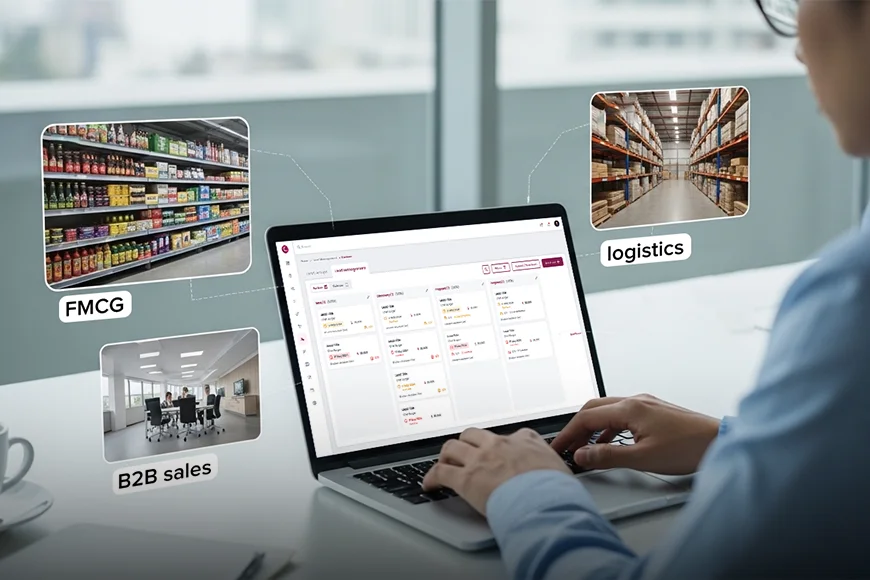
Salesflo Engage is a powerful, AI-driven task and workforce management solution tailor-made for FMCG and CPG businesses with distributed teams. It brings structure, visibility, and smart automation to your task execution process.
Why it stands out:
- Mobile-first experience for field users
- AI-powered smart task allocation
- Real-time task updates and reporting
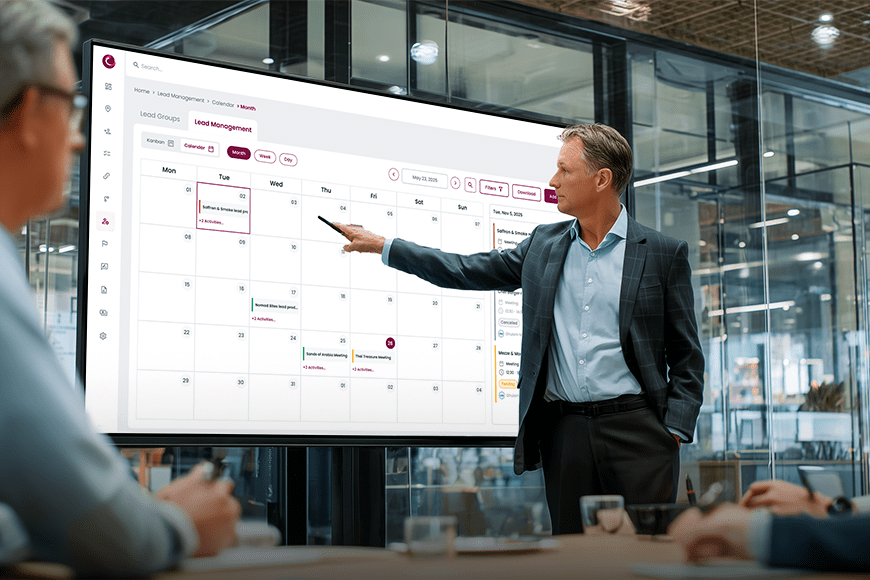
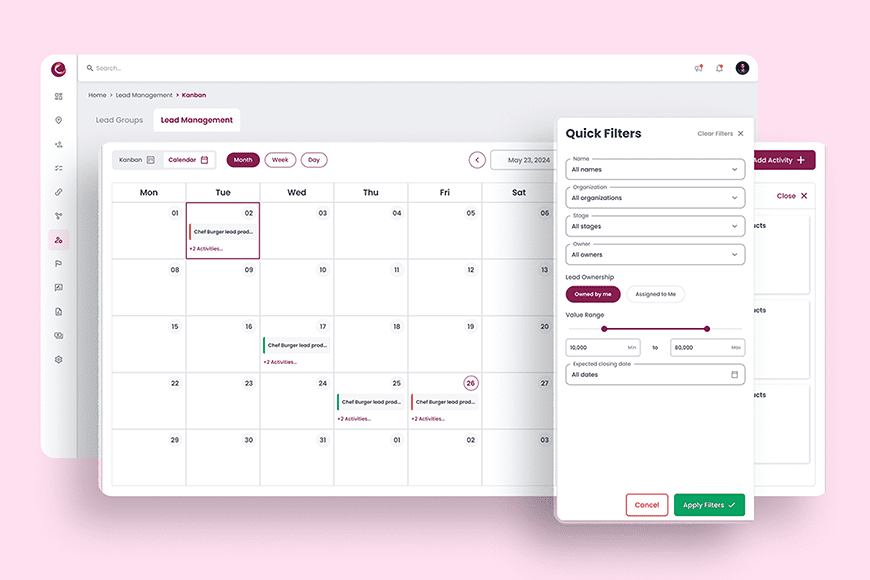
- Calendar view to manage time and workflows
- Custom insights to optimize daily execution
When speed and accuracy matter, especially in field operations, Salesflo Engage ensures that nothing falls through the cracks.
Conclusion
Mastering task management is about more than checking boxes. It’s about building a system that drives real results, whether you’re managing a personal routine or leading business execution across teams.
From learning how to manage daily tasks and applying simple task management strategies, to using powerful tools that automate and organize your day, it all starts with getting the basics right.
And when you pair those basics with a tool like Salesflo Engage, you move from managing work to mastering it.