
In today’s data-driven world, organizations are sitting on mountains of information. But here’s the truth, data is only useful when it’s trusted, consistent, and accessible. That’s where Master Data Management (MDM) steps in.
From customer records to product catalogs and vendor lists, businesses rely on accurate data every day to operate efficiently. Without a centralized view, you risk misinformed decisions, duplicated efforts, and broken customer experiences. So, what is Master Data Management really and why should every organization care? Let’s break it down.
What is Master Data Management (MDM)?
Master Data Management (MDM) is the process of creating a single, unified, and trusted view of key business data like customers, suppliers, locations, and products across the organization. It ensures this data is accurate, up-to-date, and consistent, no matter where it’s used.
Think of MDM as the system that gives everyone in your business the same, clean version of the truth. No more debating over which spreadsheet is right or wondering if two customer entries are actually the same person.
The result? One “master record” (often called a golden record) that becomes the foundation for smarter decisions, cleaner analytics, and better customer interactions.
MDM as a Discipline vs. MDM as a Technology
MDM isn’t just software, it’s a strategy.
As a discipline, MDM is closely tied to data governance, ensuring that your organization has the policies and processes in place to maintain high-quality data. It’s about making data a strategic asset.
As a technology, MDM platforms automate data collection, deduplication, reconciliation, and synchronization across systems like CRM, ERP, invoicing, and marketing tools. With AI and automation, MDM tools can match records, track data lineage, and clean up inconsistencies with minimal human input.
Together, the discipline and technology of MDM ensure that critical business data is accurate, auditable, and accessible.
Types of Master Data Domains
Not all data is created equal. MDM focuses on mastering the most vital information, usually categorized into domains:
- Customer Master Data: Who buys from you (B2B or B2C)
- Product Master Data: What you sell and how it’s described
- Supplier/Vendor Data: Who you purchase from
- Location Data: Addresses, regions, warehouses, stores
- Reference Data: Standard codes like zip codes, currency types, or country names
- Employee & Asset Data: Internal resources, equipment, systems
Some organizations go even deeper, managing data for contracts, patients, vehicles, or media content depending on the business model.
Why is Master Data Management Important?
Poor data costs money and trust. Without MDM, organizations face multiple problems:
1. Avoids Data Inconsistencies
When data is stored in different systems, inconsistencies creep in. A customer might be listed under different names in different tools. MDM unifies this.
2. Boosts Trust in Data
If sales, marketing, and operations all use different datasets, decisions become fragmented. A single source of truth ensures alignment.
3. Enables Smarter, Faster Decisions
With reliable master data, teams spend less time verifying information and more time acting on it.
4. Supports Governance & Compliance
MDM maintains an auditable trail of changes and data ownership, key for data security and regulatory compliance.
Benefits of Master Data Management
Here’s what MDM delivers when done right:
- Improved Data Accuracy: One consistent record across all departments
- Stronger Customer Experience: Personalized, relevant communication
- Operational Efficiency: Less time spent cleaning or hunting down data
- Faster M&A Integration: Smooth merging of systems and data post-acquisition
- Cost Reduction: Fewer data errors, duplications, and manual fixes
- Better Analytics: Data insights become more reliable when sourced from clean, consistent records
Whether you’re running reports, managing inventory, or preparing for audits, MDM ensures the data is ready to support your goals.
Challenges MDM Solves
Still wondering if MDM is worth it? Consider these common pain points it addresses:
- Manual errors like typos or missing fields
- Duplicate records (John Smith vs. J. Smith)
- Data updates in one system not syncing with others
- Fragmented customer views across sales, support, and finance
- Inaccurate reporting that leads to poor decisions
For large enterprises, especially those going through mergers or operating across multiple geographies, MDM is a game-changer.
How Salesflo Core Enables Smarter Master Data Management
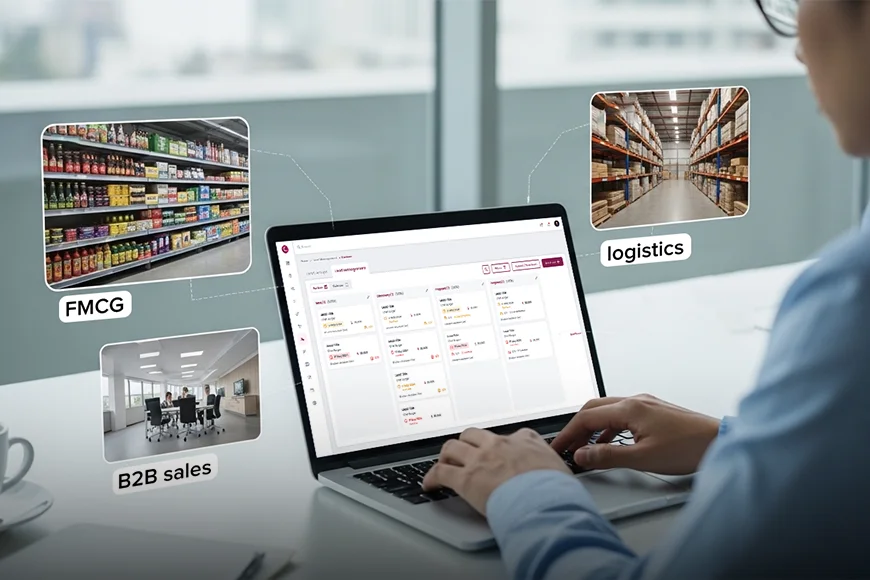
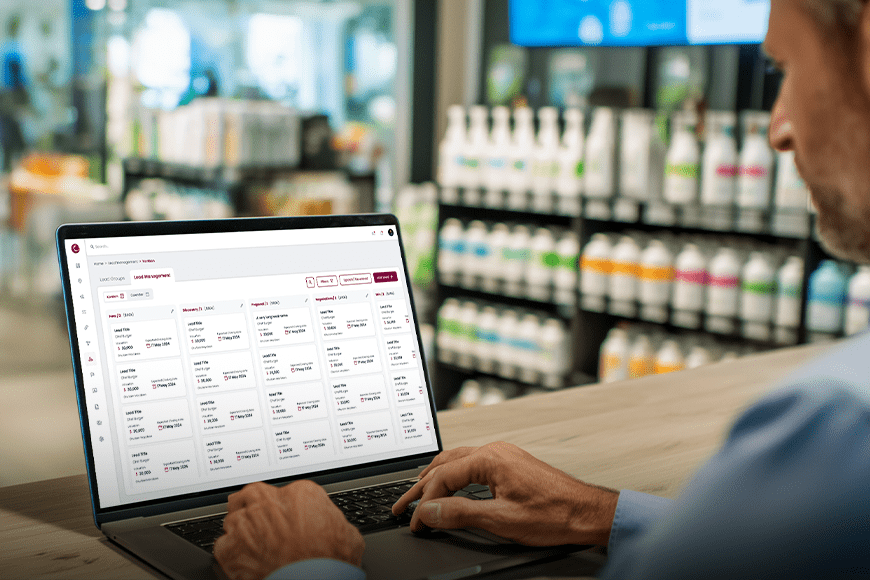
If you’re in the FMCG or distribution space, Salesflo Core takes the heavy lifting out of Master Data Management.
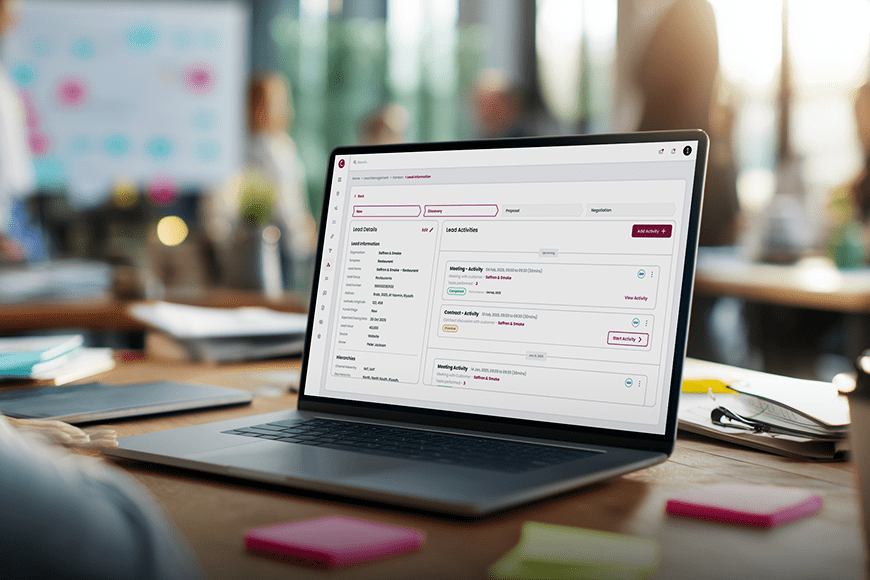
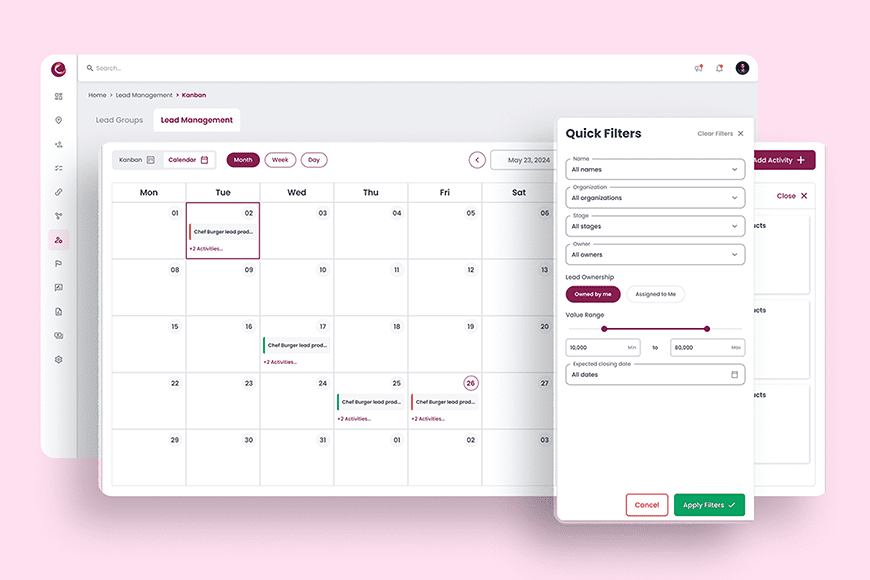
From customer hierarchies to pricing and trade policies, Salesflo Core gives your business a centralized, governed platform for master data. It helps:
- Eliminate data duplication across regions and teams
- Streamline product, customer, and pricing information
- Automate updates across distribution, trade, and finance systems
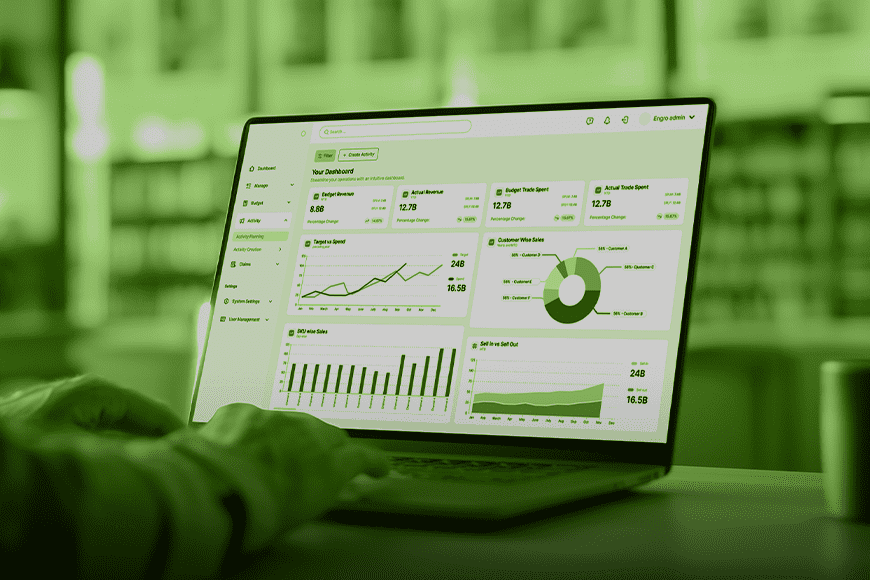
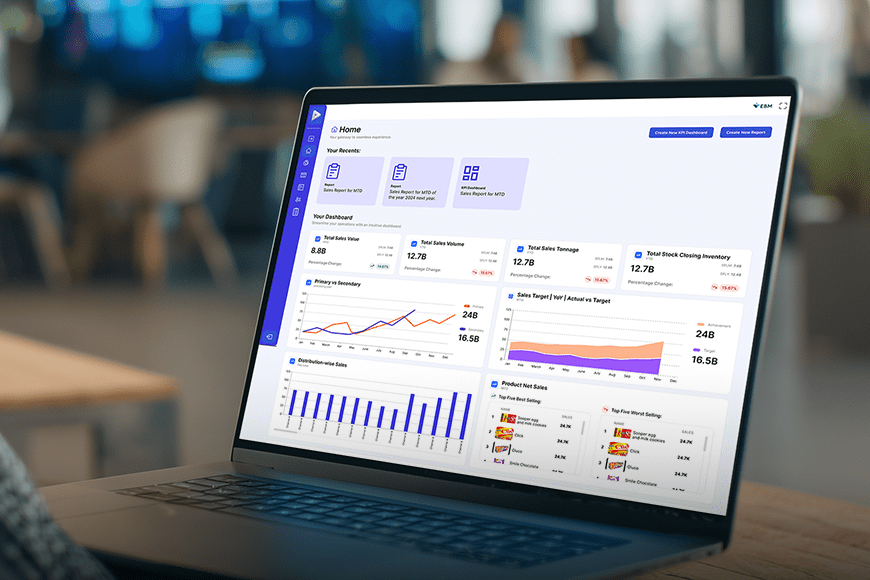
- Provide clean data to support real-time decisions and seamless reporting
When MDM is embedded into your business through tools like Salesflo Core, your teams move faster with confidence in the data they use.
Final Thoughts
So, what is Master Data Management? At its core, it’s the backbone of trustworthy, business-critical information. Whether you’re tracking customers, products, or financials, MDM ensures that everyone in the organization is working from the same version of truth.
With the right strategy and tools in place, Master Data Management isn’t just a technical fix, it’s a business advantage. If your data is scattered, inconsistent, or hard to trust, now’s the time to get serious about MDM.
Let trusted data power your next move accurately, efficiently, and confidently.